
US Pat. No. 9423312 licensed from ShockWatch Inc.
Retour à la liste

When a wooden crate arrives at your site, the exterior might look perfect. However, for a field engineer, the real concern is what happened inside during the journey. Performing a proper sensitive cargo arrival inspection is the only way to ensure your equipment is ready for setup. By looking for specific signs of mishandling during transport and following a strict installation pre-check checklist, you can protect the chain of custody for high-value assets. In this guide, we will show you how to tell if a crate was dropped and why an Impact Indicator is your best witness for accountability.

Why a Sensitive Cargo Arrival Inspection is Critical

For precision instruments, medical devices, or semiconductor equipment, even a small vibration can cause internal misalignment. A sensitive cargo arrival inspection is not just about looking for holes in the box; it is about verifying that the "G-force" limits of the product were not exceeded.

Without a reliable monitoring tool, engineers often spend hours troubleshooting a machine that was already broken before it was even unboxed.

Identifying Signs of Mishandling During Transport

Before you sign the delivery receipt, you must look for the physical signs of mishandling during transport. These signs often include:

  • Crushed pallet corners or broken skid boards.
  • Dust or debris inside the shrink wrap, suggesting a heavy impact.
  • Torn "Fragile" stickers or scratched outer surfaces.
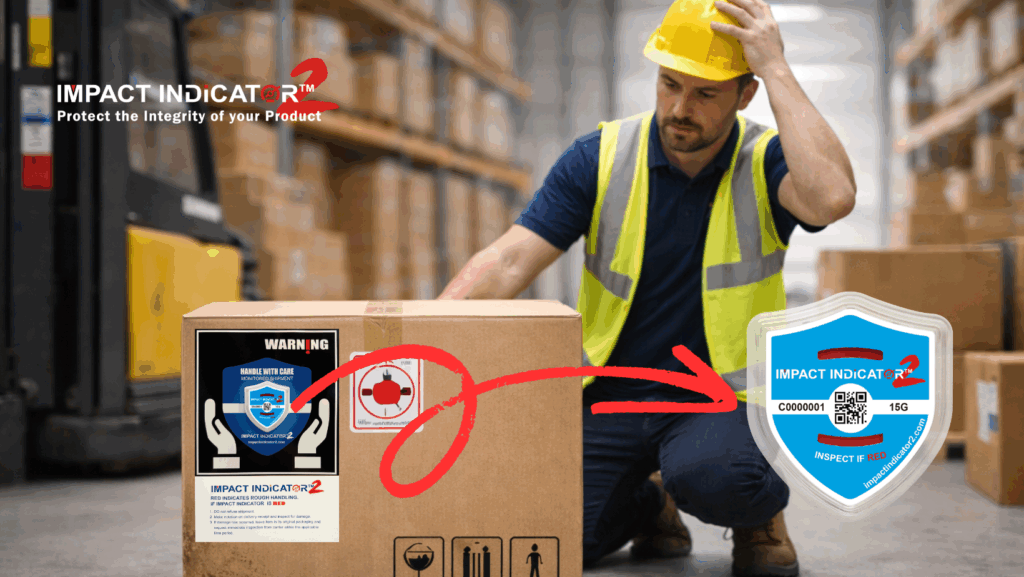
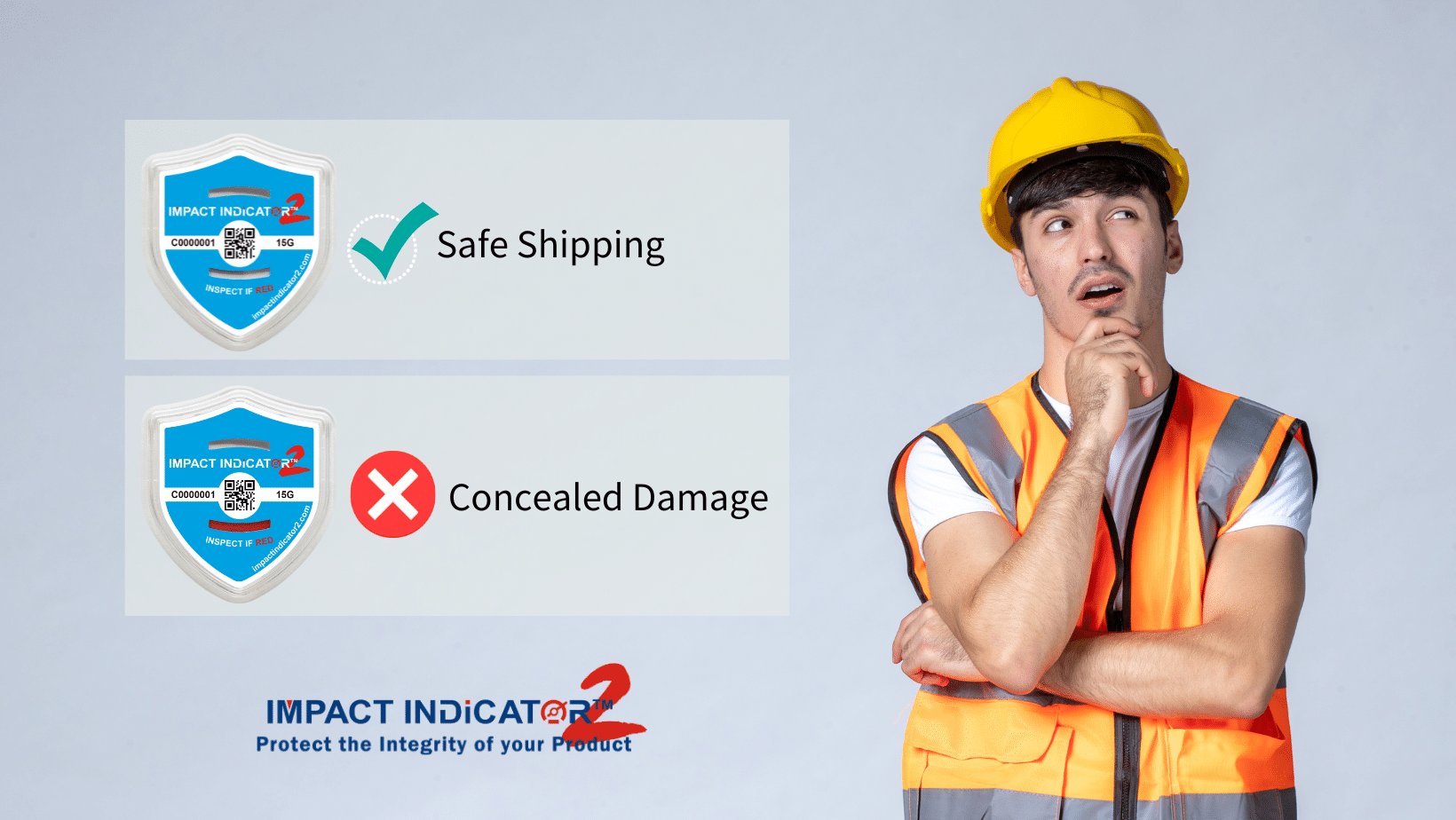
  • The most reliable sign: A triggered Impact Indicator. If the sensor has turned red, it is an immediate visual proof that the item was handled outside of its safety specifications.

How to Tell if a Crate was Dropped (Beyond the Surface)

Many engineers ask: how to tell if a crate was dropped if the wood doesn't show a dent? Gravity doesn't lie. A crate can be dropped flat on its base, leaving no external marks but causing massive internal "shock" damage.

By installing an Impact Indicator on the crate's frame, you get a definitive answer. If the indicator triggers, you know exactly when the impact happened and at what force. This allows you to pause the installation and request a technician inspection before potentially voiding the warranty.
The Essential Installation Pre-check Checklist

To avoid "Dead on Arrival" (DOA) scenarios, every engineer should follow this installation pre-check checklist before opening the crate:

  1. Check the Serial Number: Match the cargo with the shipping documents.
  2. Inspect the Impact Indicators: Look at the sensors. Are they clear or triggered?
  3. Document the Evidence: Take photos of all four sides of the crate and the indicators.
  4. Check Tilt Sensors: If the item must stay upright, verify the tilt labels.
  5. Test Internal Calibration: If the indicator is red, perform a pre-power-on diagnostic.

Maintaining the Chain of Custody for High-Value Assets

The chain of custody for high-value assets is about accountability. When a damage claim occurs, the carrier, the warehouse, and the end-user often blame each other.

An Impact Indicator acts as an unbiased third-party observer. It creates a clear record of when the shock occurred. This data ensures that if a drop happens, the responsible party is held accountable, and the insurance claim process becomes much smoother.

Protect Your Installation with Impact Indicators

Don't leave your project’s success to luck. By mastering the sensitive cargo arrival inspection and knowing how to tell if a crate was dropped, you save time, money, and your professional reputation.

Visit Impact Indicator 2 today to find the right monitoring solution for your next high-value shipment.

LES PERSONNES QUI ONT LU CETTE PAGE ONT ÉGALEMENT LU...

11 raisons convaincantes et 70 % des entreprises ont intégré des indicateurs de choc dans leurs emballages

Alors que les entreprises s'efforcent de fournir des produits de haute qualité à leurs clients, l'intégration d'indicateurs de choc dans les emballages est devenue une solution populaire et efficace. Nous avons abordé les conséquences négatives spécifiques que les produits endommagés lors du transport peuvent avoir sur une entreprise, notamment les coûts supplémentaires, la hausse des prix, l'impact sur le développement durable, la dégradation de l'image de l'entreprise, les problèmes juridiques et la réduction des ventes.

Coût réel des produits endommagés : comment Shock Indicator peut-il vous aider ? (Efficacité : 60 %)

En tant que défenseurs de la prévention des dommages liés au transport, nous avons toujours insisté sur l'importance de prévenir les dommages aux produits. Mais quel est l'impact réel de ces dommages sur notre activité ? Et quels sont les chiffres concrets qui se produisent chaque jour ? Pourquoi un outil efficace pour réduire les dommages est-il si important pour notre entreprise ? Examinons ce sujet. […]

Normes mondiales d'expédition : le rôle des indicateurs de choc d'emballage

Dans le monde interconnecté d'aujourd'hui, le transport de marchandises à travers les continents est un élément essentiel du commerce mondial. Avec l'expansion des industries, la demande en matière de pratiques d'expédition fiables, sûres et efficaces n'a jamais été aussi forte. Au cœur de cette industrie mondiale du transport maritime se trouve un acteur discret mais crucial : les indicateurs de chocs d'emballage. Ces dispositifs garantissent […]

TÉMOIGNAGE CLIENT

Les indicateurs de choc d'expédition (Impact Indicator 2) jouent un rôle crucial dans la réduction des dommages causés aux produits pendant le transport. Ces dispositifs simples mais efficaces de type « passe/ne passe pas » dissuadent les manutentionnaires de toute mauvaise manipulation, les incitant à la prudence. Mais pourquoi sont-ils si efficaces ? La réponse se trouve dans la psychologie humaine. Pourquoi manipule-t-on les colis différemment lorsqu'on est sous l'influence de substances ? […]

Vous ne trouvez pas l'information dont vous avez besoin ?

Gagnez du temps en nous contactant directement !
Contactez-nous
Copyright © 2026 WAN-YO Enterprise Co., Ltd.
magnifiercrossmenuchevron-leftchevron-right