
US Pat. No. 9423312 licensed from ShockWatch Inc.
Back to list

When a wooden crate arrives at your site, the exterior might look perfect. However, for a field engineer, the real concern is what happened inside during the journey. Performing a proper sensitive cargo arrival inspection is the only way to ensure your equipment is ready for setup. By looking for specific signs of mishandling during transport and following a strict installation pre-check checklist, you can protect the chain of custody for high-value assets. In this guide, we will show you how to tell if a crate was dropped and why an Impact Indicator is your best witness for accountability.

Why a Sensitive Cargo Arrival Inspection is Critical

For precision instruments, medical devices, or semiconductor equipment, even a small vibration can cause internal misalignment. A sensitive cargo arrival inspection is not just about looking for holes in the box; it is about verifying that the "G-force" limits of the product were not exceeded.

Without a reliable monitoring tool, engineers often spend hours troubleshooting a machine that was already broken before it was even unboxed.

Identifying Signs of Mishandling During Transport

Before you sign the delivery receipt, you must look for the physical signs of mishandling during transport. These signs often include:

  • Crushed pallet corners or broken skid boards.
  • Dust or debris inside the shrink wrap, suggesting a heavy impact.
  • Torn "Fragile" stickers or scratched outer surfaces.
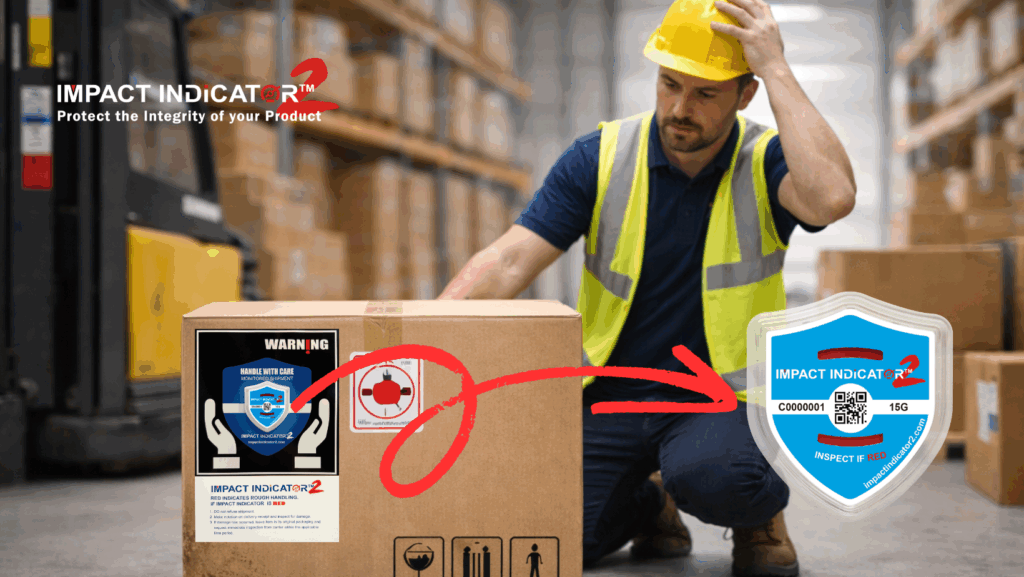
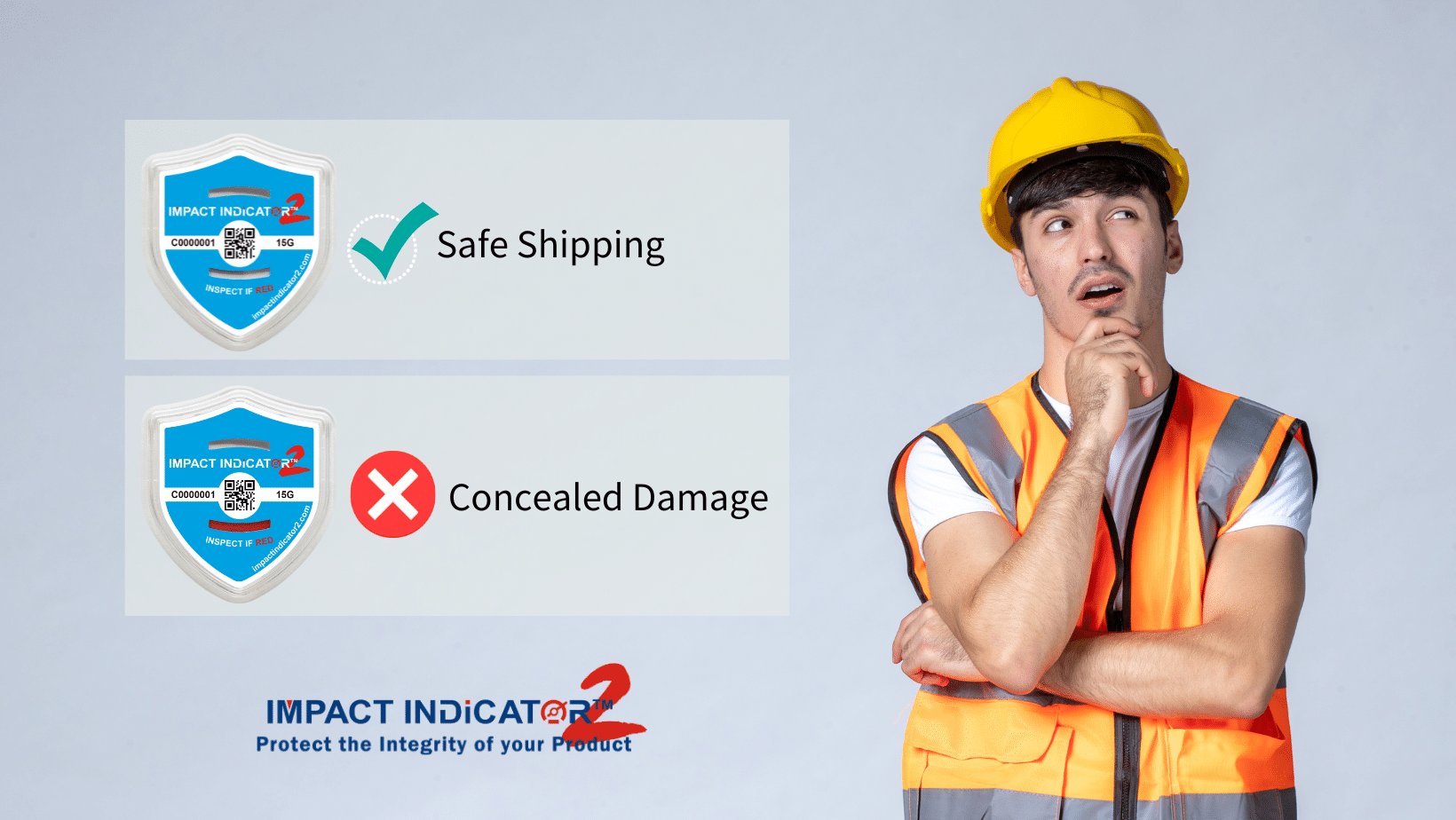
  • The most reliable sign: A triggered Impact Indicator. If the sensor has turned red, it is an immediate visual proof that the item was handled outside of its safety specifications.

How to Tell if a Crate was Dropped (Beyond the Surface)

Many engineers ask: how to tell if a crate was dropped if the wood doesn't show a dent? Gravity doesn't lie. A crate can be dropped flat on its base, leaving no external marks but causing massive internal "shock" damage.

By installing an Impact Indicator on the crate's frame, you get a definitive answer. If the indicator triggers, you know exactly when the impact happened and at what force. This allows you to pause the installation and request a technician inspection before potentially voiding the warranty.
The Essential Installation Pre-check Checklist

To avoid "Dead on Arrival" (DOA) scenarios, every engineer should follow this installation pre-check checklist before opening the crate:

  1. Check the Serial Number: Match the cargo with the shipping documents.
  2. Inspect the Impact Indicators: Look at the sensors. Are they clear or triggered?
  3. Document the Evidence: Take photos of all four sides of the crate and the indicators.
  4. Check Tilt Sensors: If the item must stay upright, verify the tilt labels.
  5. Test Internal Calibration: If the indicator is red, perform a pre-power-on diagnostic.

Maintaining the Chain of Custody for High-Value Assets

The chain of custody for high-value assets is about accountability. When a damage claim occurs, the carrier, the warehouse, and the end-user often blame each other.

An Impact Indicator acts as an unbiased third-party observer. It creates a clear record of when the shock occurred. This data ensures that if a drop happens, the responsible party is held accountable, and the insurance claim process becomes much smoother.

Protect Your Installation with Impact Indicators

Don't leave your project’s success to luck. By mastering the sensitive cargo arrival inspection and knowing how to tell if a crate was dropped, you save time, money, and your professional reputation.

Visit Impact Indicator 2 today to find the right monitoring solution for your next high-value shipment.
PEOPLE WHO READ THIS PAGE ALSO READ...

True Costs of Damaged Products: How can Shock Indicator Help? (60% Effective)

We, as an advocate of preventing shipping damage, have always emphasized the importance of prevention of damaged products, but what impact does product damage have on our business? And what are the real numbers that happen every day? Why does a useful tool to reduce damage matter to our business? Let’s explore this subject. Both […]

Global Shipping Standards: The Role of Packaging Shock Indicators

In today’s interconnected world, the movement of goods across continents is a critical component of global trade. As industries expand their reach, the demand for reliable, safe, and efficient shipping practices has never been higher. At the heart of this global shipping industry lies a silent yet crucial player—Packaging Shock Indicators. These devices ensure the […]

Building a Transparent Supply Chain with Impact Indicator 2 for Complete Supply Chain Control and SCM Efficiency

Transparent supply chain is not just a trend—it’s a requirement. As goods pass through multiple touchpoints, ensuring that shipments are handled properly is crucial for protecting valuable cargo, maintaining customer satisfaction, and optimizing operational efficiency. With the increasing demand for visibility in the complete supply chain, businesses must rely on sophisticated monitoring tools that provide […]

CUSTOMER STORY

Impact Indicator 2 shipping shock indicators play a crucial role in reducing product damage during transportation. These simple yet effective go/no-go devices act as deterrents against mishandling, making handlers think twice before being careless. But why do they work so well? The answer lies in human psychology. Why Do People Handle Packages Differently When They […]

Can't find the information you need?

Save time by contacting us directly!
Contact us
Copyright © 2026 WAN-YO Enterprise Co., Ltd.
magnifiercrossmenuchevron-leftchevron-right