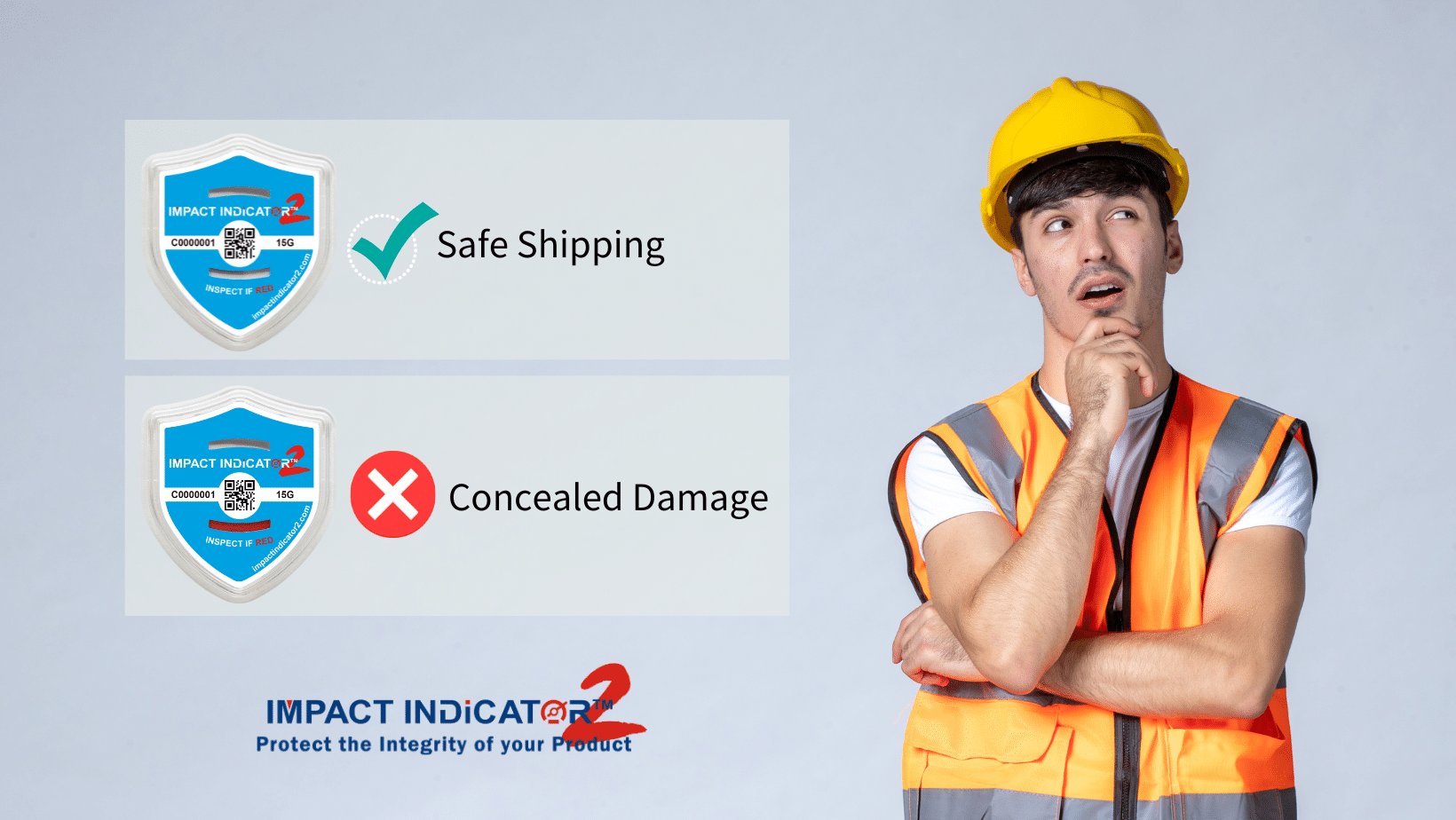

When a wooden crate arrives at your site, the exterior might look perfect. However, for a field engineer, the real concern is what happened inside during the journey. Performing a proper sensitive cargo arrival inspection is the only way to ensure your equipment is ready for setup. By looking for specific signs of mishandling during transport and following a strict installation pre-check checklist, you can protect the chain of custody for high-value assets. In this guide, we will show you how to tell if a crate was dropped and why an Impact Indicator is your best witness for accountability.
For precision instruments, medical devices, or semiconductor equipment, even a small vibration can cause internal misalignment. A sensitive cargo arrival inspection is not just about looking for holes in the box; it is about verifying that the "G-force" limits of the product were not exceeded.
Without a reliable monitoring tool, engineers often spend hours troubleshooting a machine that was already broken before it was even unboxed.

Before you sign the delivery receipt, you must look for the physical signs of mishandling during transport. These signs often include:

Many engineers ask: how to tell if a crate was dropped if the wood doesn't show a dent? Gravity doesn't lie. A crate can be dropped flat on its base, leaving no external marks but causing massive internal "shock" damage.
By installing an Impact Indicator on the crate's frame, you get a definitive answer. If the indicator triggers, you know exactly when the impact happened and at what force. This allows you to pause the installation and request a technician inspection before potentially voiding the warranty.
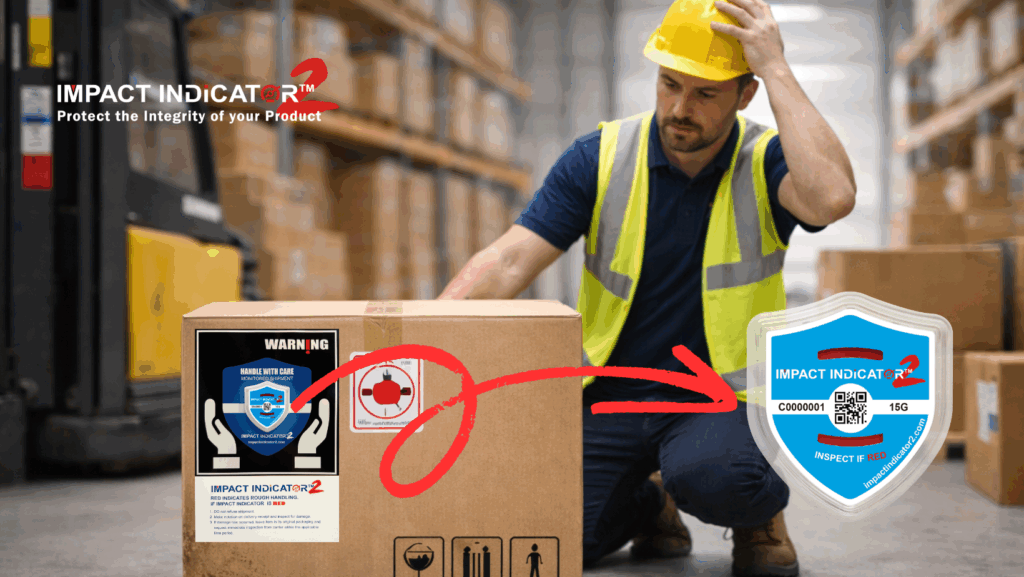
To avoid "Dead on Arrival" (DOA) scenarios, every engineer should follow this installation pre-check checklist before opening the crate:

The chain of custody for high-value assets is about accountability. When a damage claim occurs, the carrier, the warehouse, and the end-user often blame each other.
An Impact Indicator acts as an unbiased third-party observer. It creates a clear record of when the shock occurred. This data ensures that if a drop happens, the responsible party is held accountable, and the insurance claim process becomes much smoother.

Don't leave your project’s success to luck. By mastering the sensitive cargo arrival inspection and knowing how to tell if a crate was dropped, you save time, money, and your professional reputation.
Visit Impact Indicator 2 today to find the right monitoring solution for your next high-value shipment.