
US Pat. No. 9423312 licensed from ShockWatch Inc.
Torna all'elenco

When a wooden crate arrives at your site, the exterior might look perfect. However, for a field engineer, the real concern is what happened inside during the journey. Performing a proper sensitive cargo arrival inspection is the only way to ensure your equipment is ready for setup. By looking for specific signs of mishandling during transport and following a strict installation pre-check checklist, you can protect the chain of custody for high-value assets. In this guide, we will show you how to tell if a crate was dropped and why an Impact Indicator is your best witness for accountability.

Why a Sensitive Cargo Arrival Inspection is Critical

For precision instruments, medical devices, or semiconductor equipment, even a small vibration can cause internal misalignment. A sensitive cargo arrival inspection is not just about looking for holes in the box; it is about verifying that the "G-force" limits of the product were not exceeded.

Without a reliable monitoring tool, engineers often spend hours troubleshooting a machine that was already broken before it was even unboxed.

Identifying Signs of Mishandling During Transport

Before you sign the delivery receipt, you must look for the physical signs of mishandling during transport. These signs often include:

  • Crushed pallet corners or broken skid boards.
  • Dust or debris inside the shrink wrap, suggesting a heavy impact.
  • Torn "Fragile" stickers or scratched outer surfaces.
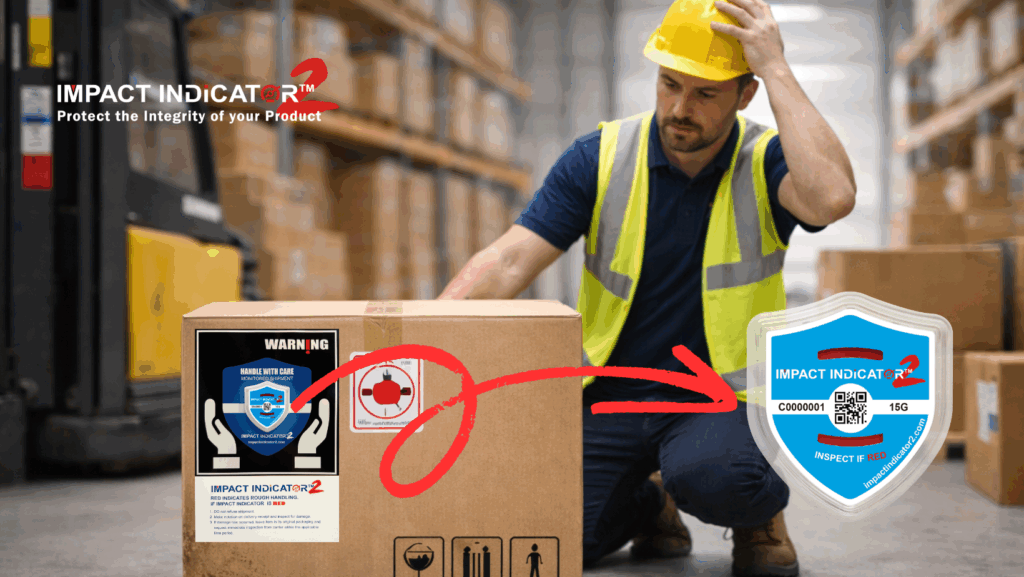
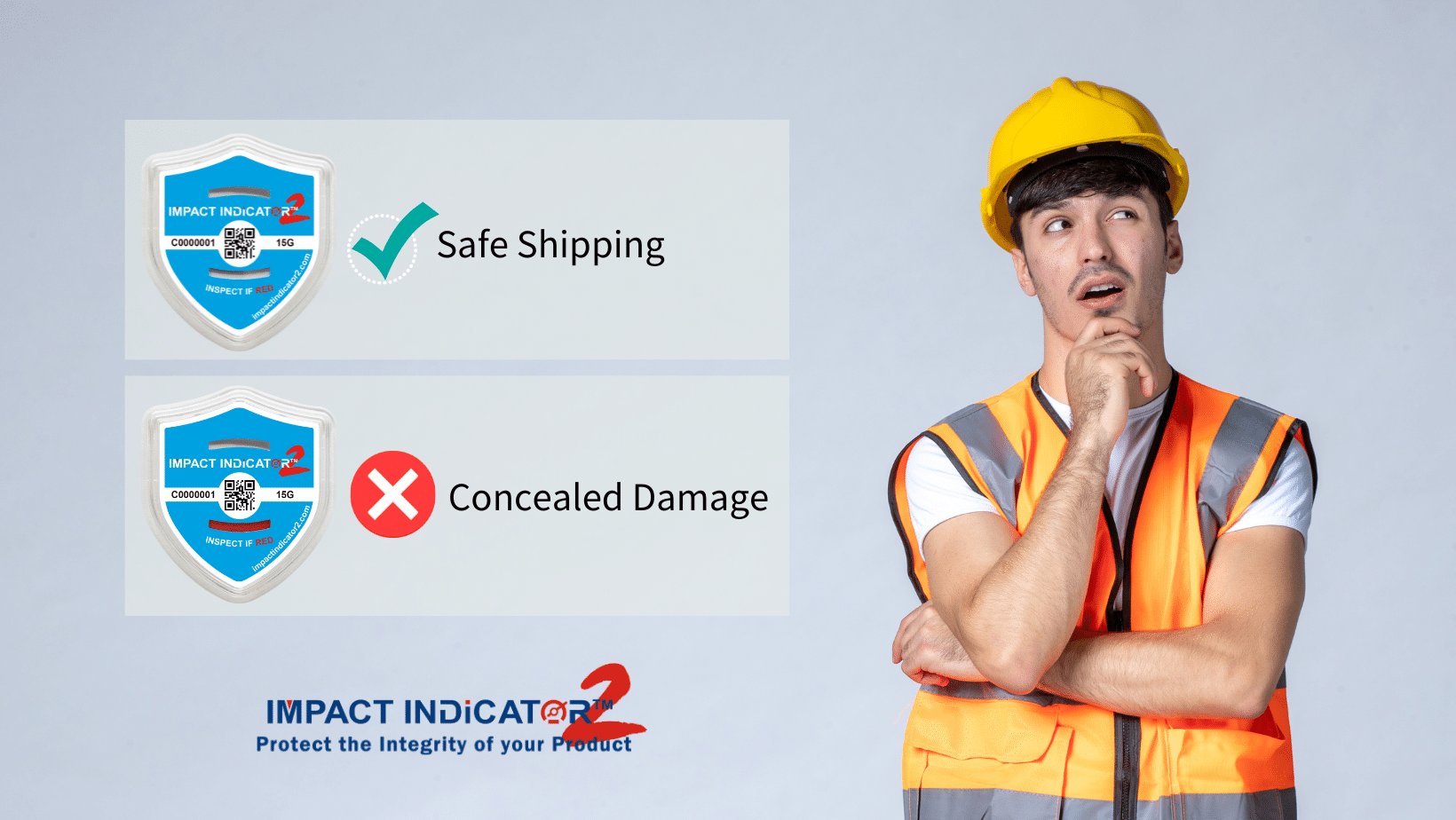
  • The most reliable sign: A triggered Impact Indicator. If the sensor has turned red, it is an immediate visual proof that the item was handled outside of its safety specifications.

How to Tell if a Crate was Dropped (Beyond the Surface)

Many engineers ask: how to tell if a crate was dropped if the wood doesn't show a dent? Gravity doesn't lie. A crate can be dropped flat on its base, leaving no external marks but causing massive internal "shock" damage.

By installing an Impact Indicator on the crate's frame, you get a definitive answer. If the indicator triggers, you know exactly when the impact happened and at what force. This allows you to pause the installation and request a technician inspection before potentially voiding the warranty.
The Essential Installation Pre-check Checklist

To avoid "Dead on Arrival" (DOA) scenarios, every engineer should follow this installation pre-check checklist before opening the crate:

  1. Check the Serial Number: Match the cargo with the shipping documents.
  2. Inspect the Impact Indicators: Look at the sensors. Are they clear or triggered?
  3. Document the Evidence: Take photos of all four sides of the crate and the indicators.
  4. Check Tilt Sensors: If the item must stay upright, verify the tilt labels.
  5. Test Internal Calibration: If the indicator is red, perform a pre-power-on diagnostic.

Maintaining the Chain of Custody for High-Value Assets

The chain of custody for high-value assets is about accountability. When a damage claim occurs, the carrier, the warehouse, and the end-user often blame each other.

An Impact Indicator acts as an unbiased third-party observer. It creates a clear record of when the shock occurred. This data ensures that if a drop happens, the responsible party is held accountable, and the insurance claim process becomes much smoother.

Protect Your Installation with Impact Indicators

Don't leave your project’s success to luck. By mastering the sensitive cargo arrival inspection and knowing how to tell if a crate was dropped, you save time, money, and your professional reputation.

Visit Impact Indicator 2 today to find the right monitoring solution for your next high-value shipment.

CHI LEGGE QUESTA PAGINA LEGGE ANCHE...

Creazione di una catena di fornitura trasparente con l'indicatore di impatto 2 per il controllo completo della catena di fornitura e l'efficienza SCM

Una supply chain trasparente non è solo una tendenza, è un requisito. Poiché le merci attraversano molteplici punti di contatto, garantire che le spedizioni vengano gestite correttamente è fondamentale per proteggere il carico prezioso, mantenere la soddisfazione del cliente e ottimizzare l'efficienza operativa. Con la crescente richiesta di visibilità sull'intera supply chain, le aziende devono affidarsi a sofisticati strumenti di monitoraggio che forniscano […]

Standard di spedizione globali: il ruolo degli indicatori di shock degli imballaggi

Nel mondo interconnesso di oggi, la movimentazione delle merci attraverso i continenti è una componente fondamentale del commercio globale. Con l'espansione delle industrie, la domanda di pratiche di spedizione affidabili, sicure ed efficienti non è mai stata così elevata. Al centro di questo settore globale delle spedizioni c'è un attore silenzioso ma cruciale: gli indicatori di shock degli imballaggi. Questi dispositivi garantiscono […]

11 motivi convincenti e il 70% delle aziende ha integrato indicatori di shock nel packaging

Poiché le aziende si impegnano a fornire prodotti di alta qualità ai propri clienti, l'integrazione di indicatori di impatto negli imballaggi è diventata una soluzione popolare ed efficace. Abbiamo analizzato gli specifici impatti negativi che i prodotti danneggiati durante la spedizione possono avere su un'azienda, tra cui costi aggiuntivi, aumento dei prezzi, impatto sulla sostenibilità, danno d'immagine aziendale, problemi legali e riduzione dei costi.

STORIA DEL CLIENTE

Gli indicatori di impatto 2 svolgono un ruolo cruciale nel ridurre i danni ai prodotti durante il trasporto. Questi semplici ma efficaci dispositivi "go/no-go" agiscono come deterrenti contro la manipolazione errata, inducendo gli addetti a pensarci due volte prima di commettere errori. Ma perché funzionano così bene? La risposta risiede nella psicologia umana. Perché le persone gestiscono i pacchi in modo diverso quando […]

Non riesci a trovare le informazioni di cui hai bisogno?

Risparmia tempo contattandoci direttamente!
Contattaci
Copyright © 2026 WAN-YO Enterprise Co., Ltd.
magnifiercrossmenuchevron-leftchevron-right