
hide
Effective Sales Strategy Built on Visibility and Accountability
B2B Customer Retention Strategies Strengthened by Impact Indicator 2
Sales Retention Strategy Supported by Internal Transportation Transparency
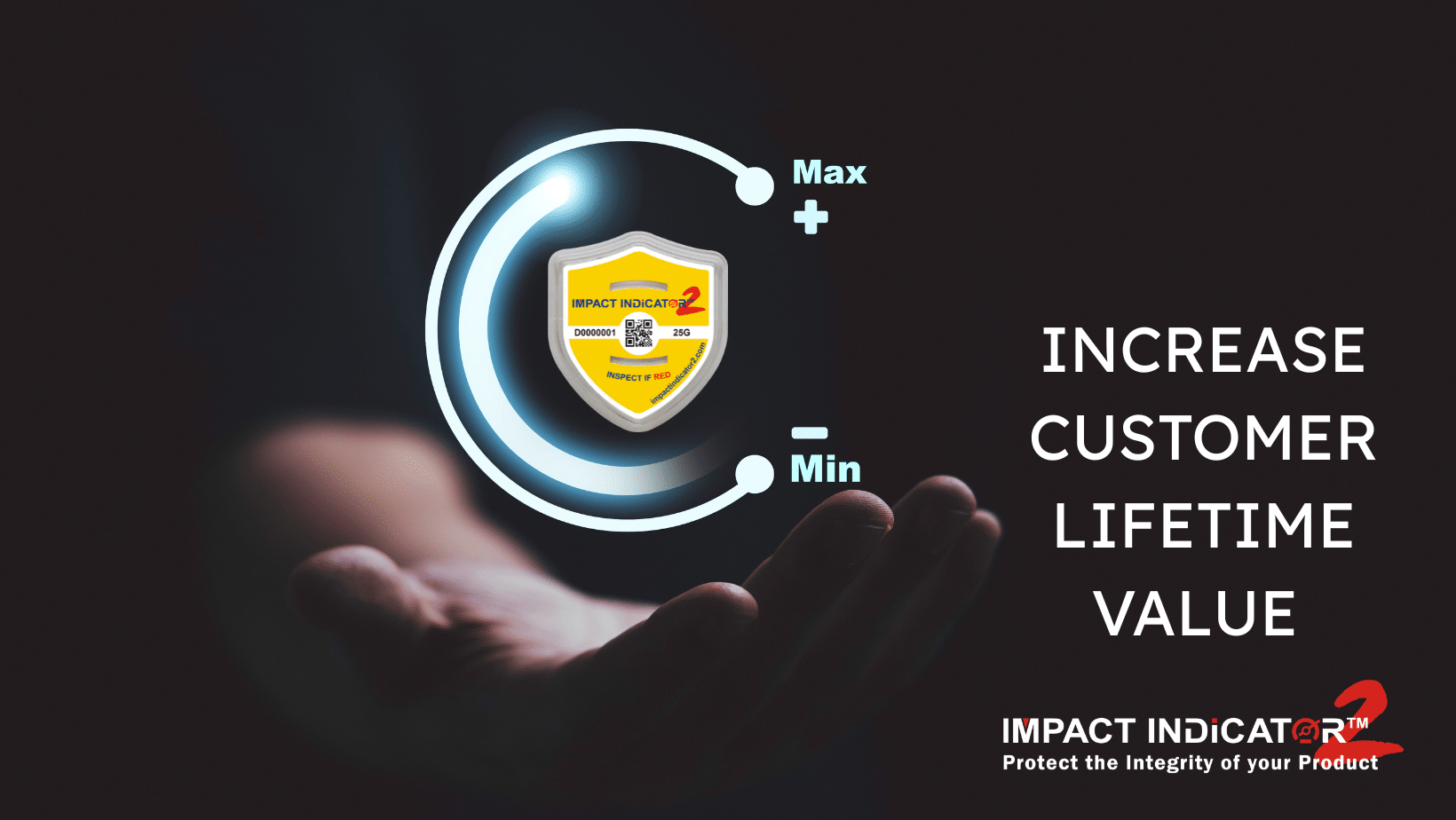
Increase Customer Lifetime Value with Impact Indicator 2 as a Manufacturing Standard
Take Action to Improve Sales Effectiveness and Customer Retention
Increase customer lifetime value is often discussed as a sales or marketing objective, but for manufacturers, the real foundation begins inside the factory, long before products reach customers. For teams responsible for internal product transportation planning, every movement between processes directly affects delivery reliability, product condition, and customer trust. When internal transportation is not visible or controlled, the impact is not limited to operations; it slowly weakens sales performance and customer retention.
This is why manufacturers who want to build an effective sales strategy, strengthen B2B customer retention strategies, and create a sustainable sales retention strategy must start by improving how products are handled and monitored internally. Impact Indicator 2 plays a critical role in making this possible.

To increase customer lifetime value, manufacturers must consistently deliver products in good condition and on time. However, many quality issues and delays are not caused during external shipping but occur du
Impact Indicator 2 provides a simple but powerful way to make internal transportation visible. By clearly indicating when products experience excessive impact during movement, internal teams can identify where handling problems occur and correct them early. This operational improvement directly supports customer satisfaction and repeat business, which are essential for increasing long-term.
Sales teams can only be effective when they can trust internal operations. To improve sales effectiveness, manufacturers need reliable data that confirms products are handled correctly throughout internal logistics processes. Without this assurance, sales teams face uncertainty when committing to delivery schedules or quality expectations.
Impact Indicator 2 strengthens internal accountability by making handling conditions clear and objective. When operations teams know that product movement is monitored, handling behavior improves naturally. This creates a more stable production environment that allows sales teams to communicate with confidence, resulting in stronger customer relationships and fewer disputes after delivery.

An effective sales strategy in manufacturing is not only about customer acquisition; it depends on operational reliability. When customers receive products that meet quality expectations consistently, they are more likely to continue cooperation and expand orders.
Impact Indicator 2 supports this strategy by acting as a silent quality guardian during internal transportation. It clearly shows whether products have been subjected to excessive shock, helping teams quickly trace handling issues. This visibility reduces internal arguments and focuses discussions on facts rather than assumptions, enabling faster improvement and better coordination between sales, operations, and quality teams.
Customers value suppliers who can explain problems transparently and take responsibility. When internal transportation incidents are clearly identified, manufacturers can respond proactively rather than reactively. This transparency is a core element of an effective sales strategy because it builds credibility and trust, which are critical for long-term partnerships.

Strong B2B customer retention strategies depend on consistent product quality. Even small internal handling issues can lead to damaged components, delayed delivery, or hidden defects that only appear after installation. These issues slowly erode customer confidence and increase churn risk.
Impact Indicator 2 helps manufacturers protect product integrity by highlighting handling risks early. When issues are detected internally, corrective action can be taken before products reach customers. This proactive approach significantly improves customer experience and supports retention without requiring additional sales effort.
Modern B2B customers expect data-driven explanations. Impact Indicator 2 provides clear visual evidence of handling conditions, allowing manufacturers to communicate professionally when questions arise. This evidence-based communication strengthens B2B customer retention strategies by showing customers that quality control is systematic, not reactive.
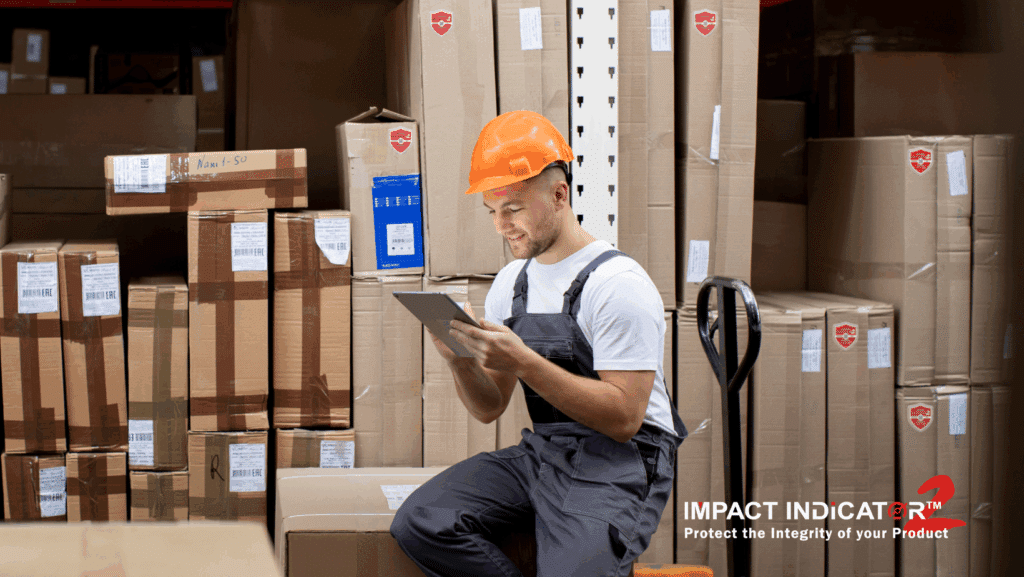
A successful sales retention strategy is built on predictable outcomes. Customers stay when they feel confident that each order will meet expectations. Internal transportation issues introduce uncertainty that undermines this confidence.
By using Impact Indicator 2, manufacturers can standardize handling expectations across departments. This consistency reduces variation in internal processes and helps maintain stable delivery performance, which directly supports customer retention and long-term revenue.
Internal disputes between sales, operations, and quality teams often arise when the cause of damage or delay is unclear. Impact Indicator 2 reduces these conflicts by providing clear handling indicators. This clarity saves time, reduces internal friction, and allows teams to focus on improvement rather than blame, strengthening the overall sales retention strategy.
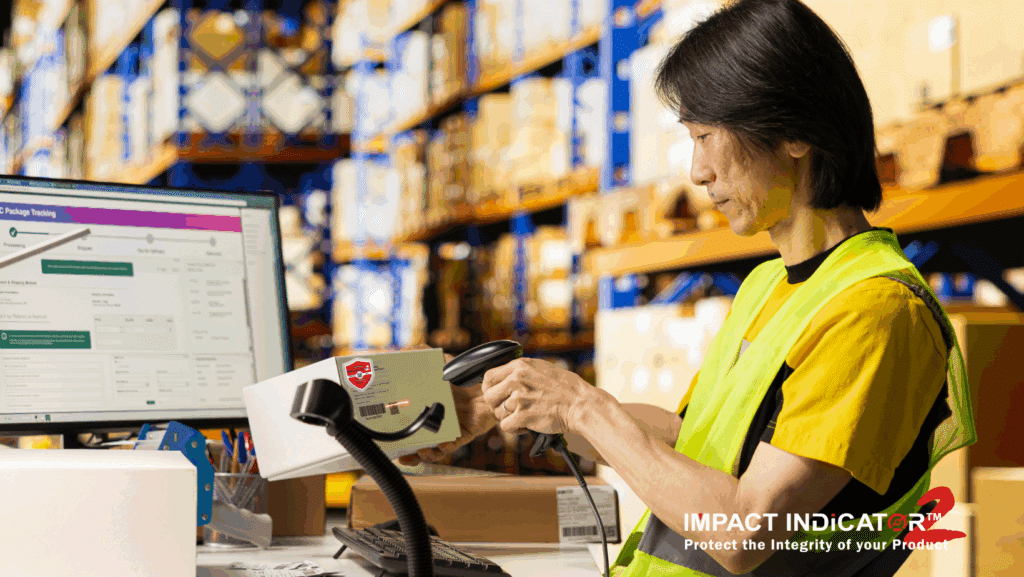
To truly increase customer lifetime value, manufacturers must earn trust repeatedly. Impact Indicator 2 helps build this trust by ensuring products are handled responsibly throughout internal transportation. When customers experience fewer issues and clearer communication, they naturally extend cooperation and increase order volume.
Impact Indicator 2 acts as a bridge between operations and sales. By improving internal handling awareness, it enables sales teams to make realistic commitments and follow through on promises. This alignment is critical for companies seeking to improve sales effectiveness while maintaining high operational standards.
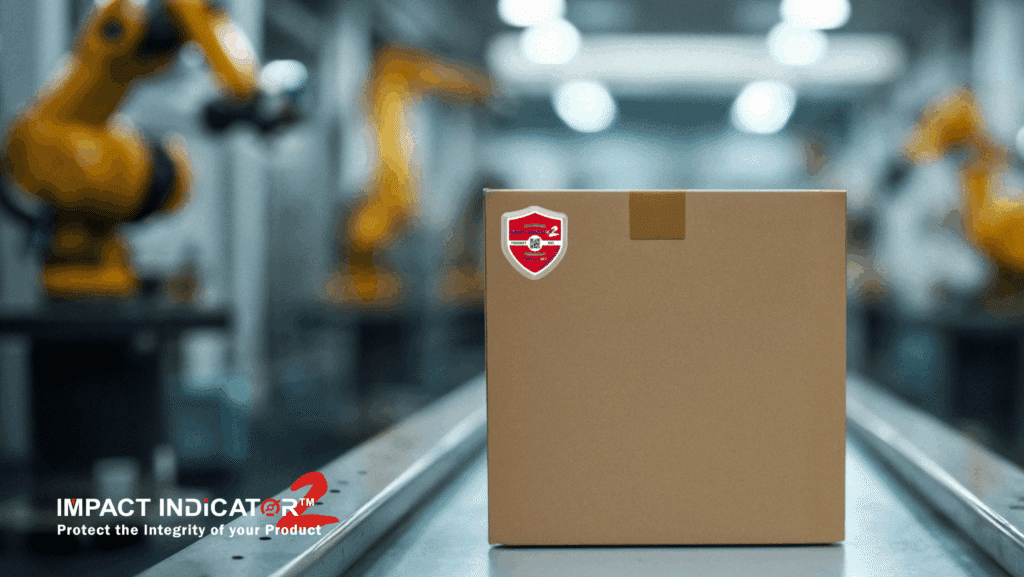
If you are responsible for internal product transportation planning and want to improve sales effectiveness, strengthen B2B customer retention strategies, and build a reliable sales retention strategy, Impact Indicator 2 is designed to support your goals.
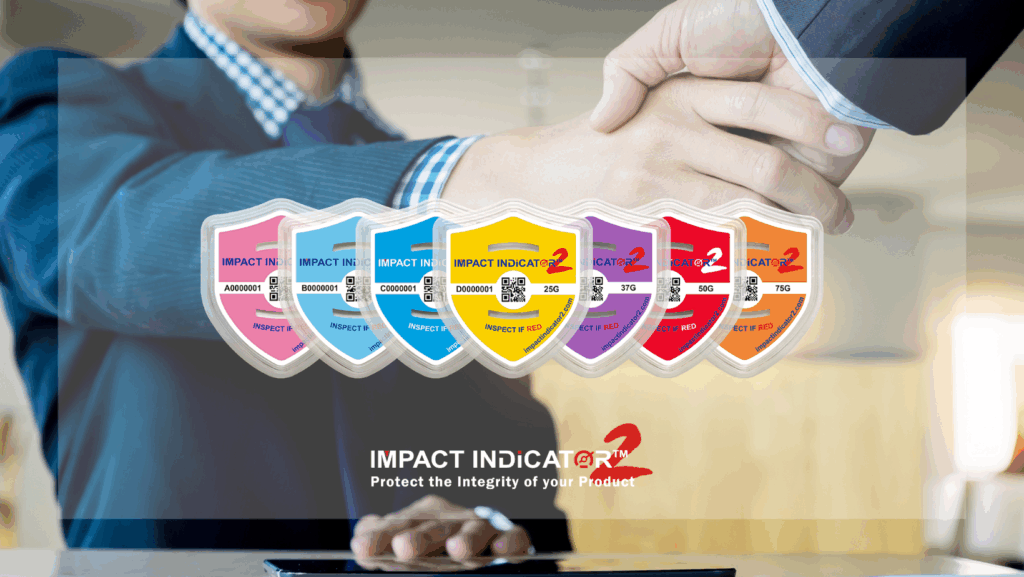
Button text: Contact Us to Improve Internal Transportation Reliability
Impact Indicator 2 helps manufacturers reduce internal handling risks, protect product quality, and build long-term customer trust.
Contact us today to learn how Impact Indicator 2 can help you increase customer lifetime value and strengthen your sales strategy.