
hide
Insurance Fraud Prevention as a Core Insurance Risk Management Strategy in Cargo Insurance Policy
Insurance Fraud Prevention Solves Real Cargo Insurance Policy Pain Points
Insurance Risk Management Strategy That Focuses on Reducing Claims Costs in Insurance
Insurance Fraud Prevention and the Human Reality Behind Insurance Claim Dispute
How Insurance Fraud Prevention Protects Cargo Insurance Policy Value
Insurance Risk Management Strategy Needs Physical Evidence, Not Just Digital Records
Insurance Fraud Prevention Improves Trust Across the Supply Chain
Insurance Risk Management Strategy for Insurers, Brokers, and Cargo Owners
Why Manufacturers Matter in Insurance Risk Management Strategy
Insurance Fraud Prevention is no longer just an operational concern—it is a strategic priority for insurers, risk managers, and logistics decision-makers who are under pressure to control losses, protect cargo insurance policy value, and reduce long-term claims exposure.
Every day, damaged cargo, unclear responsibility, and lack of physical evidence lead to rising claims costs, slow dispute resolution, and growing distrust between insurers, shippers, and logistics partners. When insurance claim dispute cases increase, profitability drops and relationships suffer.
This article explains how a modern Insurance Risk Management Strategy built around real-world impact evidence can help insurers and enterprises strengthen their cargo insurance policy, achieve Reducing Claims Costs in Insurance, and prevent costly insurance claim dispute scenarios—using Impact Indicator 2, a manufacturer-grade impact detection solution designed for global supply chains.
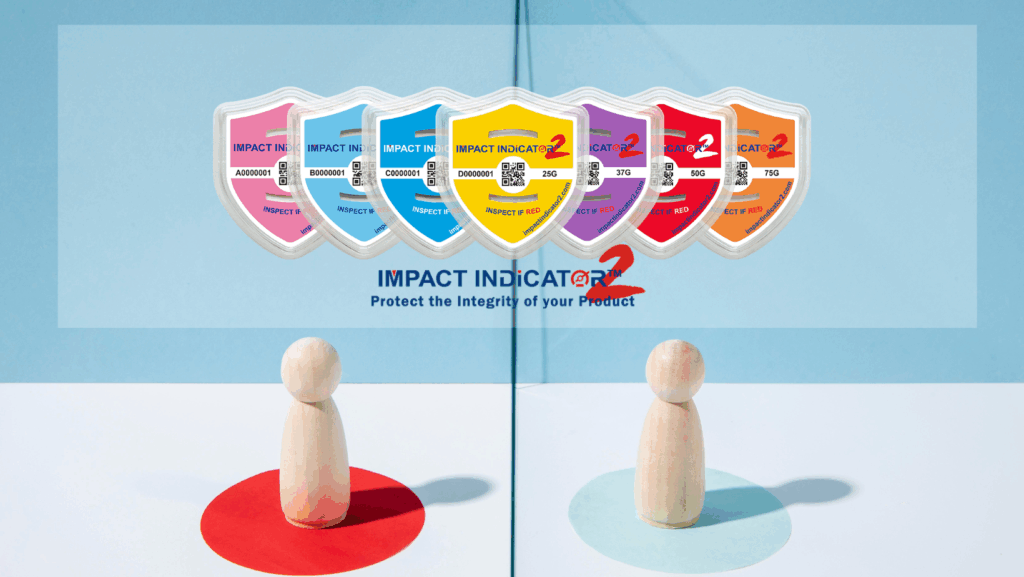
Insurance Fraud Prevention is no longer reactive. Today’s Insurance Risk Management Strategy must start before damage happens, not after a claim is filed.
Cargo insurance policy performance depends on one critical factor: clear, trusted evidence. Without it, insurers face uncertainty, and uncertainty drives higher premiums, higher reserves, and more insurance claim dispute cases.
Impact Indicator 2 supports a proactive Insurance Risk Management Strategy by providing visible, tamper-resistant impact indication directly on cargo. This shifts risk management from assumption-based decisions to evidence-based decisions—before disputes arise and before costs escalate.
For insurers and logistics stakeholders, this means cargo insurance policy decisions can be supported by objective data instead of conflicting statements.
Insurance Fraud Prevention becomes critical when real-world logistics conditions collide with policy limitations.
Cargo insurance policy claims often fail or escalate because no one can clearly answer:
Without physical impact evidence, insurers must rely on paperwork and statements. This leads directly to insurance claim dispute scenarios and higher claims settlement costs.
Impact Indicator 2 introduces a simple but powerful layer of truth into the cargo insurance policy process. When impact occurs, it is immediately visible. This reduces ambiguity, shortens investigations, and supports faster, fairer decisions—key goals of any Insurance Risk Management Strategy.
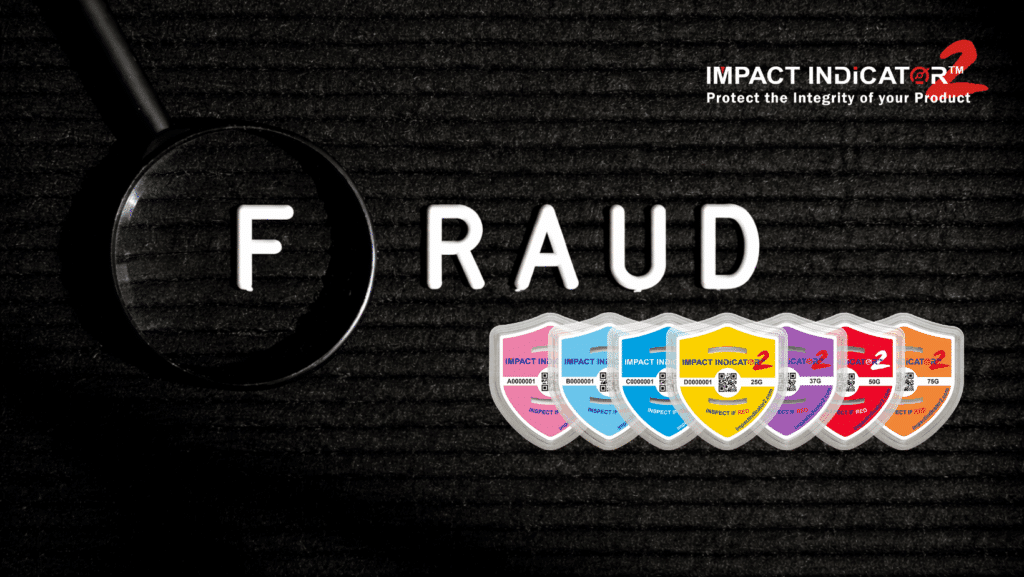
Reducing Claims Costs in Insurance is not achieved by denying claims—it is achieved by preventing unnecessary ones.
An effective Insurance Risk Management Strategy focuses on:
Impact Indicator 2 supports Reducing Claims Costs in Insurance by creating accountability throughout the logistics chain. When handling teams know impact is monitored, behavior improves. When insurers have evidence, disputes decrease.
This leads to fewer investigations, fewer legal escalations, and lower administrative costs tied to insurance claim dispute management.
Behind every insurance claim dispute is a human problem.
Risk managers face internal pressure. Underwriters must justify decisions. Logistics managers struggle to prove proper handling. Insurers must balance fairness with fraud control.
Insurance Fraud Prevention is not about distrust—it is about clarity.
Impact Indicator 2 removes emotional conflict from insurance claim dispute discussions. Instead of arguments, stakeholders see facts. Instead of delays, decisions happen faster. This aligns perfectly with modern Insurance Risk Management Strategy goals.
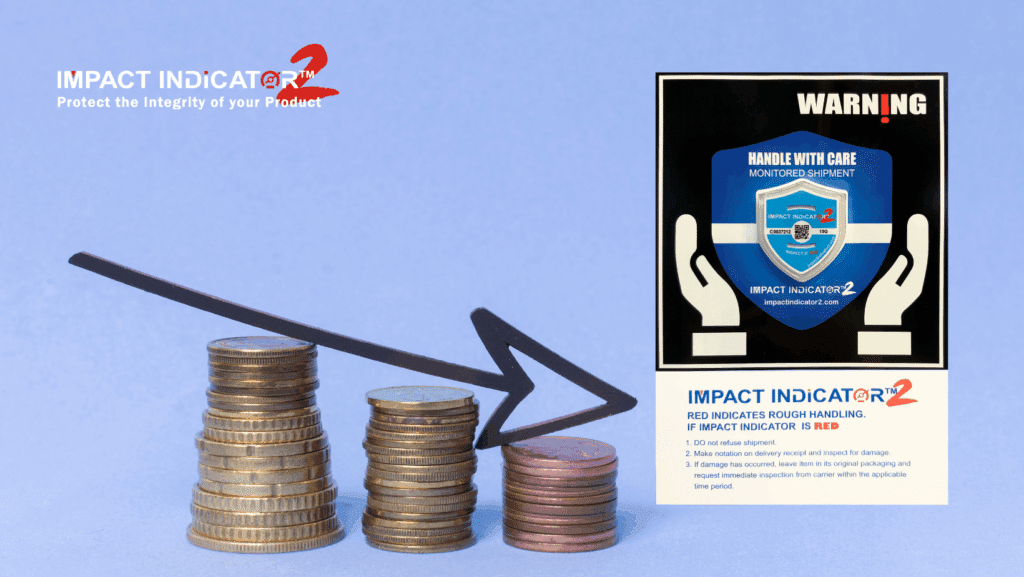
Cargo insurance policy value erodes when claims frequency rises and trust declines.
When insurers experience repeated insurance claim dispute cases, they respond by:
This hurts shippers and logistics operators long-term.
Insurance Fraud Prevention using Impact Indicator 2 helps protect cargo insurance policy value by lowering uncertainty. With clearer risk visibility, insurers can confidently support fair coverage, while shippers benefit from smoother claims handling.
Many Insurance Risk Management Strategy frameworks rely heavily on digital data, documents, and tracking systems. But digital records cannot prove how cargo was handled physically.
Insurance Fraud Prevention requires something simple, visible, and undeniable.
Impact Indicator 2 provides that missing physical layer. When combined with existing systems, it strengthens insurance claim dispute resolution by bridging the gap between digital records and real-world handling.

Trust is a hidden cost driver in cargo insurance policy performance.
Low trust leads to:
Insurance Fraud Prevention improves trust by aligning all parties around the same evidence. Impact Indicator 2 becomes a shared reference point that simplifies communication and reduces friction before insurance claim dispute situations escalate.
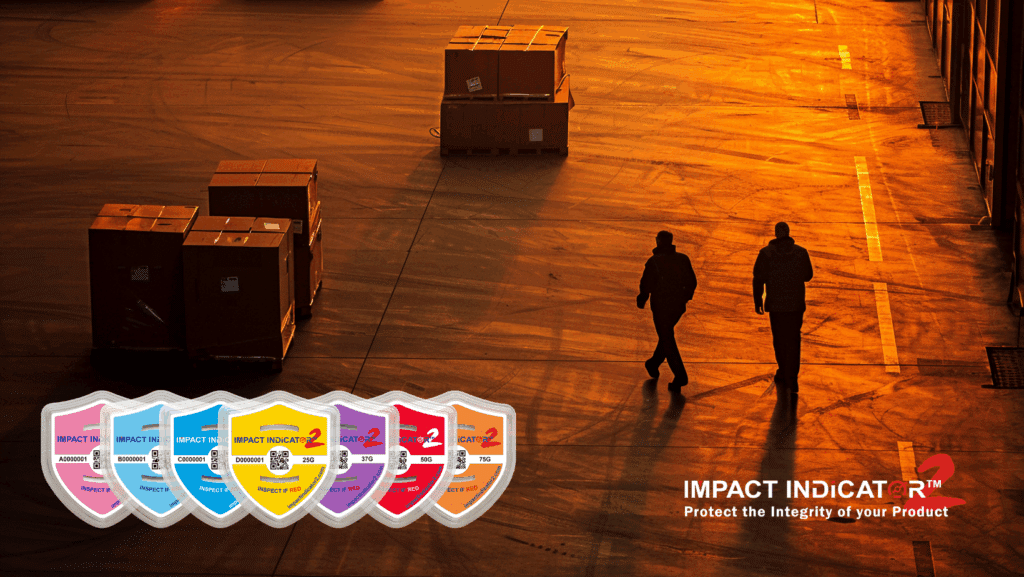
An effective Insurance Risk Management Strategy must work across roles.
For insurers, Impact Indicator 2 supports underwriting confidence and claims efficiency.
For brokers, it strengthens policy credibility.
For cargo owners, it protects shipments and reduces exposure to insurance claim dispute risk.
By supporting Insurance Fraud Prevention at the shipment level, Impact Indicator 2 creates value across the entire cargo insurance policy ecosystem.
Insurance Fraud Prevention must be measurable to be effective. Impact Indicator 2 enables this by providing visible evidence that can be reviewed, recorded, and referenced during claims.
This measurability directly supports Reducing Claims Costs in Insurance and improves consistency in insurance claim dispute handling.
Cargo insurance policy terms are only effective if compliance can be verified. Impact Indicator 2 helps insurers and logistics teams confirm whether handling conditions were respected—supporting fair enforcement and reducing unnecessary disputes.
Insurance claim dispute resolution often takes months due to unclear evidence. Impact Indicator 2 shortens this timeline by delivering immediate clarity, supporting faster settlements and lower administrative costs.

As a manufacturer, we understand that reliability, consistency, and scalability matter.
Impact Indicator 2 is designed for real-world logistics environments, produced under strict quality standards, and built for global deployment. This manufacturing expertise ensures insurers and enterprises can rely on long-term supply, stable performance, and consistent results—key foundations of any Insurance Risk Management Strategy.
Insurance Fraud Prevention is most effective when it begins before damage occurs.
By integrating Impact Indicator 2 into your cargo handling process, you shift from reactive insurance claim dispute management to proactive risk control. This supports stronger cargo insurance policy outcomes and measurable Reducing Claims Costs in Insurance.
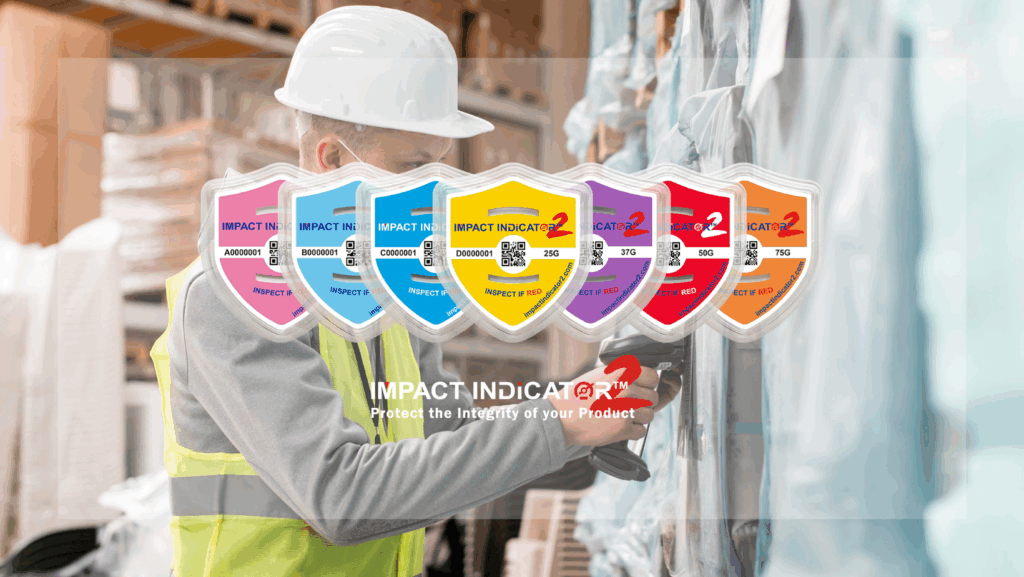
If your organization is facing rising claims, frequent insurance claim dispute cases, or pressure to strengthen Insurance Risk Management Strategy performance, now is the time to act.
Impact Indicator 2 helps insurers, logistics operators, and cargo owners protect cargo insurance policy value while reducing operational friction and cost.
Let us help you build a clearer, stronger, and more trusted Insurance Risk Management Strategy—starting with real-world evidence.