

verstecken
Understanding Damage During Transit Responsibility at the Receiving Dock
The Ultimate Refusing Damaged Freight SOP for Modern Warehouses
How to Handle Hidden Damage Claims for Shippers Effectively
Proactive Shipping Fragile Items Best Practices to Minimize Loss
Integrating Technology into Your Warehouse QA Receiving Process
Optimizing your warehouse QA receiving process is critical for maintaining supply chain integrity. When goods arrive, understanding damage during transit responsibility can save your company thousands in unnecessary losses. This guide outlines the essential refusing damaged freight SOP every manager needs, while providing expert insights into shipping fragile items best practices. By implementing these strategies, you can effectively manage hidden damage claims for shippers, ensuring that accountability is clear the moment a pallet touches your dock.

When a shipment arrives damaged, the first question is always: "Who is at fault?" Determining damage during transit responsibility is often a tug-of-war between the carrier, the shipper, and the receiver.
To win this battle, your team must have objective evidence. Relying solely on the condition of the outer cardboard is a mistake. By integrating impact monitoring tools into your warehouse QA receiving process, you create an undeniable digital or visual record. If an indicator has tripped, the responsibility shifts back to the carrier or the logistics provider, preventing your warehouse from absorbing the cost of a mistake they didn't commit.
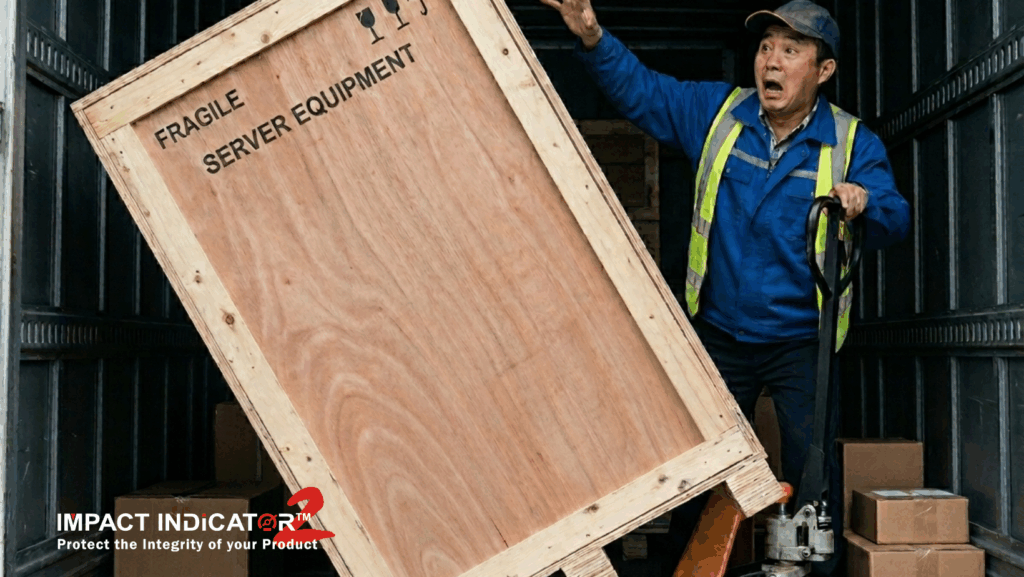
A robust refusing damaged freight SOP (Standard Operating Procedure) is your first line of defense. Many warehouse clerks make the mistake of signing the Bill of Lading (BOL) before a thorough inspection.
Your SOP should include these 3 critical steps:
Following a strict refusing damaged freight SOP ensures that you never accept liability for goods that were compromised before they reached your facility.

The most dangerous threat to your budget is "concealed damage." Hidden damage claims for shippers are notoriously difficult to prove because the internal components of a machine or electronic device may be shattered while the box remains pristine.
To successfully file hidden damage claims for shippers, you need more than just a "damaged" report; you need a timestamp of when the excessive G-force occurred. This is where professional monitoring solutions transition from "accessories" to "essential legal evidence." Showing a carrier a tripped indicator is the difference between a denied claim and a full reimbursement.

While receiving is about defense, your outbound strategy should be about offense. Implementing shipping fragile items best practices reduces the likelihood of damage occurring in the first place.

A modern warehouse QA receiving process must be data-driven. Manual logs are prone to human error and can be easily challenged during a legal dispute over damage during transit responsibility.
By upgrading your warehouse QA receiving process to include shock-sensing technology, you automate the "red flag" system. This not only speeds up the unloading process but also provides the necessary documentation for hidden damage claims for shippers without requiring a specialized technician to open every single box.

Protecting your inventory requires a 360-degree approach. From establishing a clear refusing damaged freight SOP to mastering shipping fragile items best practices, every step in your warehouse QA receiving process matters. Don't leave damage during transit responsibility to chance—equip your team with the tools and knowledge to identify and prove hidden damage claims for shippers before they impact your profitability.